Indonesia kaya akan pengrajin furniture yang berkualitas dan memiliki ciri khas tersendiri, jadi tidak heran furniture indonesia dilirik sampai pasar luar negeri. Tapi bagaimana cara mengirim mebel ke luar negeri? Di website ini kami akan menjelaskan bagaimana kirim barang ke luar negeri berupa mebel yang termasuk komoditas berat untuk dikirim ke luar negeri.
Tingkat permintaan furniture dari indonesia ke luar negeri terutama untuk kawasan Eropa, Amerika, Asia, dan timur tengah cukup tinggi. Tetapi sampai sekarang masih banyak pengrajin furniture di Indonesia kebingungan untuk mengirim produknya ke luar negeri.
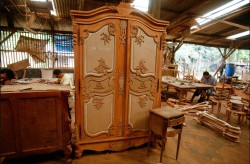
Jadi untuk kamu yang saat ini memiliki bisnis furniture dan masih bingung bagaimana cara mengirim mebel ke luar negeri maka kamu harus menyimak artikel ini sampai selesai.
Persyaratan Ekspor Mebel Ke Luar Negeri
Jika kamu tertarik untuk mengirim mebel dan furniture ke luar negeri, maka kamu harus memiliki badan hukum usaha yang resmi. Karena untuk mengirimkan produk furniture ke luar negeri dibutuhkan beberapa persyaratan dokumen resmi seperti :
- Akte Perusahaan
- NPWP Perusahaan
- SIUP
- Sertifikat K3
- AMDAL/IPAL
- Serta dokumen pendukung lainnya.
Selain beberapa dokumen resmi tentang badan hukum perusahaan yang kamu miliki, untuk melakukan kegiatan ekspor mebel kamu membutuhkan perizinan lainnya, seperti :
- ETPIK dari Kemendag
- ETR Dari Kemendag
- NIK dari Bea Cukai
- SVLK dari Kemenhut
Semua persyaratan perizinan tersebut akan membantu kamu untuk menjadi eksportir produk furnitur dari indonesia dengan mudah ke pasar luar negeri.
Persyaratan yang kamu butuhkan juga harus disesuaikan dengan negara tujuan lokasi ekspor. Karena ada beberapa syarat ekspor furniture dari negara tujuan mungkin ada tambahan persyaratan lainnya.
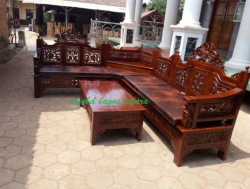
Selain persyaratan di atas, kamu juga harus memperhatikan beberapa hal tentang furnitur yang ingin kamu jual ke luar negeri. Karena ada beberapa furniture dari bahan kayu yang tidak boleh kamu jual ke luar negeri.
Jika furniture dan mabel yang kamu buat kayu pastikan bahan kayu tersebut sudah bersertifikat FSC, SVLK, dan lainnya. Selain itu bahan finishing yang digunakan juga harus ramah lingkungan.
Cara Mengirim Mebel ke Luar Negeri
Setelah kamu mengetahui beberapa persyaratan ekspor mebel dan furniture ke luar negeri. Kamu juga harus mengetahui cara mengirim mebel ke luar negeri.
Untuk mengirimkan mebel dan furniture ke luar negeri kamu harus mengirimkan produk dalam bentuk yang belum dirakit dan dimasukan kedalam box. Di dalam box tersebut kamu harus buat instruksi cara untuk perakitannya.
Selain itu pada box mabel yang akan dikirimkan harus dituliskan dengan jelas merek produk dan keterangan lengkap tentang produk tersebut serta buku panduan dalam bahasa inggris.
Untuk pengiriman produk mebel dan furniture yang sudah jadi bisa kamu lakukan hanya melalui jalur laut (sea freight) dan untuk berat minimal pengiriman produk furniture dan mebel adalah 1 cbm.
Setelah kamu mengetahui cara mengirim mebel ke luar negeri harus bagaimana packingnya. Sekarang kamu harus mencari jasa expedisi pengiriman mebel ke luar negeri.
Kami menyarankan kamu untuk mengirimkan mebel dan furniture ke luar negeri menggunakan jasa expedisi Freight Forwarder.
Karena dengan menggunakan jasa expedisi Freight Forwarder, kamu bisa dengan bebas memilih mengirimkan paket menggunakan jasa pengiriman paket via udara ataupun via laut.
Ditambah lagi mereka memiliki kelebihan layanan bisa jemput paket ke tempat Anda. Jadi kamu tidak perlu lagi membawa paket ke agen terlebih dahulu karena tim dari Freight Forwarder siap membantu kamu untuk menjemput paket yang ingin dikirimkan ke luar negeri.
Jadi untuk lebih jelas tentang layanan dan ongkos kirim paket furniture dan mebel ke luar negeri kamu bisa langsung cek website resmi dari Freight Forwarder.